

5 Reasons Upper Body Cycles Belong in Every Facility


Throughout their lives, most gym members experience musculoskeletal issues that interfere with their scheduled workouts. Most issues are mild and result from overuse injuries that cause joint inflammation. Two of the most common sites of discomfort are the knees and low back in gym members,1 yet they can lower their risk of experiencing pain by following training plans designed by fitness professionals rather than their own.1 These findings suggest that fitness professionals play an important role in guiding exercise selections that minimize joint discomfort.
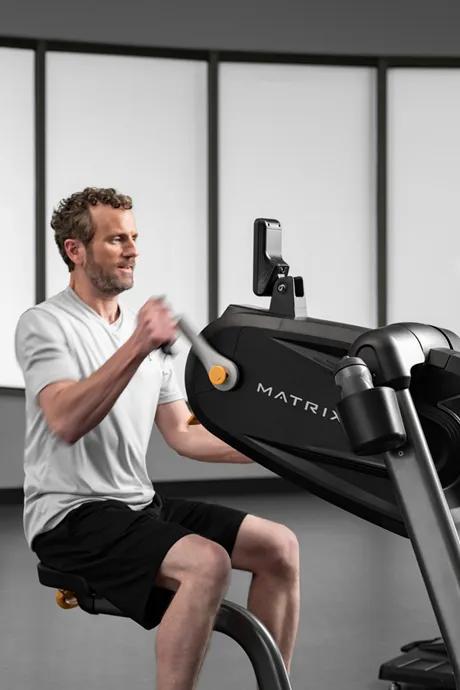
Those with low back or lower limb issues often avoid traditional cardio options, highlighting a need for viable alternatives. Upper body cycles are an option that can enhance fitness without lower body joint stress.2 Integrating this option on the cardio floor or in group exercise studios offers an engaging and accessible cardio modality.
Here’s why they deserve a spot in every gym:
1. Inclusion and Progression
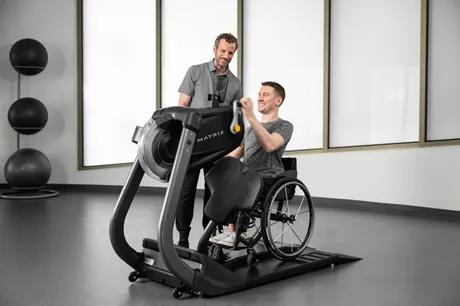
Upper body cycles offer a welcoming cardio option for beginners, older adults and anyone easing back into workouts. Wheelchair users and those with lower-limb prostheses can use these for cardio or to participate in group classes, and research suggests they and support “high enjoyment” in these users.2 Because these cycles engage different muscle groups than traditional cardio, they help trainers build inclusive circuits, manage fatigue, and support recovery without compromising progress.
2. Cardio That’s Gentle on Joints
Members with hip, knee, ankle or low back discomfort often avoid cardio entirely. Upper body cycles allow them to improve their fitness3 while taking pressure off the lower body. They’re also helpful for those recovering from lower-limb injuries or managing chronic pain.
3. Full-Body Cardio Benefits from Upper-Body Work
Arm cycling induces cardiovascular adaptations that protect against heart disease. It improves lung function4 and heart muscle efficiency,5 supporting overall fitness and endurance. In fact, research suggests upper body cycles improve walking endurance and coordination, even though the legs are not directly involved in training.6
4. Mental Health and Quality of Life Improvements
Research7 suggests that the positive psychological benefits of upper body cycling are on par with other forms of cardio. Regular upper body cycling improves quality of life,8,9 giving members more reasons to stick with their routine and feel good about showing up.
5. More Options Keep People Engaged
One of the top themes long-term gym members value about their facility is the variety of training options available.10 Members often become bored or worn down by the same workout modalities and new options are highly motivating.11 Members can use upper body cycles for warm-ups, active recovery as well as higher intensity workouts.
Positioning for Maximum Impact
Upper body cycles are often overlooked, tucked in corners instead of integrated into the member experience. Placing them alongside cardio equipment, strength zones, or recovery areas show that they belong. They reflect your gym’s commitment to inclusion and thoughtful training, and they give trainers more tools to help members feel seen and supported.

Karlie Intlekofer, PhD, CNC, CPT
References
- Bernstorff et al. Popular gym fitness sport: An analysis of 1387 recreational athletes regarding prone to pain exercises and the corresponding localizations. Sports 2024; 12(1): 12.
- Storey et al. Hemodynamic and metabolic responses to moderate and vigorous cycle ergometry in men who have had transtibial amputation. Int J Environ Res Pub Health 2024; 21(4): 450.
- Chiou et al. Effects of arm-crank exercise on fitness and health in adults with chronic spinal cord injury: A systematic review. Front Physiol 2022; 13: 831372.
- Ilyas et al. Effects of upper limb ergometer on pulmonary functions among spinal cord injury patients. Physiother Quart 2023; 31(4): 15-20.
- Bresnahan et al. Arm crank ergometry improves cardiovascular disease risk factors and community mobility independent of body composition in high motor complete spinal cord injury. J Spinal Cord Med 2018; 42(3): 272-80.
- Kaupp et al. Rhythmic arm cycling training improves walking and neurophysiological integrity in chronic stroke: The arms can give legs a helping hand in rehabilitation. J Neurophys 2018; 119(3): 1095-12.
- Magalhaes et al. Effect of arm-ergometry versus treadmill supervised exercise on cardiorespiratory fitness and walking distances in patients with peripheral artery disease: The ARMEX randomized clinical trial. J Cardiopulm Rehabil Prev 2024; 44(5): 353-60.
- Magalhaes et al. Effect of arm-ergometry versus treadmill supervised exercise on health-related quality of life and mental health in patients with peripheral artery disease: Secondary outcomes from the ARMEX trial. J Patient Rep Outcomes 2025; 9(15): 1-10.
- Dag et al. The effects of arm crank training on aerobic capacity, physical performance, quality of life, and health-related disability in patients with Parkinson's disease. Ir J Med Sci 2022; 191(3): 1341-8.
- Riseth et al. Long-term members’ use of fitness centers: A qualitative study. BMC Sports Sci Med Rehabil 2019; 11(2): 1-9.
- Lakicevic et al. Make fitness fun: Could novelty be the key determinant for physical activity adherence? Front Psychol 2020; 11: 577522.

